
Varicocele (Varicocelectomy) Surgery in Delhi
Get permanent relief from testicular pain and infertility with the most advanced Varicocelectomy treatment in Delhi. Under the expert care of Dr. Vijayant Govinda Gupta, we provide gold-standard microsurgical procedures to restore your health and fertility.
A varicocele is an enlargement of veins inside the scrotum, similar to varicose veins in the legs. In many men, it causes no symptoms. But in some, it can affect sperm count, sperm motility, sperm quality, testosterone function, testicular size, or cause dragging scrotal pain.
Varicocelectomy is a surgical procedure used to treat clinically significant varicocele by blocking the faulty veins and redirecting blood flow through healthy veins. For men facing infertility, abnormal semen reports, or persistent varicocele-related pain, this procedure may help improve reproductive outcomes when performed for the right indications.
At Male Infertility Treatment, Dr. Vijayant Govinda Gupta provides specialised care for male infertility, microsurgery, sperm retrieval, and evidence-based treatment planning in Delhi.
What Is Varicocelectomy?
Varicocelectomy is a surgery performed to correct a varicocele. During the procedure, the enlarged or refluxing veins are carefully identified and tied or sealed so that blood can drain through normal venous channels.
The goal is to reduce harmful venous backflow, lower scrotal heat stress, and support healthier testicular function. In fertility-focused cases, the aim is to improve semen parameters such as:
- Sperm count
- Sperm motility
- Sperm morphology
- Total motile sperm count
- Sperm DNA quality in selected cases
Varicocelectomy may also be advised when a varicocele causes persistent discomfort, heaviness, or testicular pain that does not improve with conservative measures.

Why Does Varicocele Affect Male Fertility?
A varicocele can affect fertility through multiple mechanisms. It may increase scrotal temperature, impair oxygen delivery, increase oxidative stress, and interfere with normal sperm production.
Because sperm development is temperature-sensitive, even a small but persistent rise in testicular temperature can affect sperm quality over time.
Common fertility-related findings in men with varicocele may include:
- Low sperm count
- Poor motility
- Abnormal sperm morphology
- Increased sperm DNA fragmentation
- Reduced testicular volume
- Repeated abnormal semen analysis
- Unexplained male factor infertility
Not every varicocele needs surgery. The decision depends on clinical examination, semen analysis, symptoms, fertility goals, female partner factors, and the couple’s overall reproductive timeline.
Who Should Consider Varicocelectomy?
Varicocelectomy may be considered for men who have:
- A palpable or clinically detectable varicocele
- Difficulty conceiving naturally
- Abnormal semen parameters
- Testicular pain or heaviness linked to varicocele
- Testicular size reduction, especially in younger patients
- Recurrent poor semen reports despite lifestyle correction
- Varicocele with elevated sperm DNA fragmentation in selected cases
- A desire to improve natural conception chances or optimize sperm quality before IVF/ICSI
International male infertility guidelines support considering surgical varicocelectomy in men attempting conception when there is a palpable varicocele, infertility, and abnormal semen parameters.
When Is Varicocele Surgery Usually Not Recommended?
Surgery may not be required in every case. Varicocelectomy is usually not recommended when:
- The varicocele is only seen on ultrasound and not clinically palpable
- Semen analysis is normal and there are no symptoms
- The varicocele is very small and asymptomatic
- Infertility is clearly due to another cause
- Female partner factors require urgent assisted reproduction and waiting may not be appropriate
- The expected benefit is low after full evaluation
Subclinical varicocele repair has not shown clear benefit for pregnancy or standard semen parameters in available evidence, which is why proper diagnosis by an experienced andrologist is important.
Symptoms of Varicocele
Many men discover varicocele during fertility evaluation. Others may notice symptoms such as:
- Dull, dragging pain in the scrotum
- Heaviness that worsens after standing for long hours
- Visible or palpable enlarged veins
- Pain that improves when lying down
- Testicular shrinkage or size difference
- Abnormal semen analysis
- Difficulty achieving pregnancy with partner
A varicocele is more common on the left side, but it may occur on both sides. A sudden right-sided varicocele or rapidly developing swelling should be evaluated carefully.
When Is Varicocele Surgery Usually Not Recommended?
Surgery may not be required in every case. Varicocelectomy is usually not recommended when:
- The varicocele is only seen on ultrasound and not clinically palpable
- Semen analysis is normal and there are no symptoms
- The varicocele is very small and asymptomatic
- Infertility is clearly due to another cause
- Female partner factors require urgent assisted reproduction and waiting may not be appropriate
- The expected benefit is low after full evaluation
Subclinical varicocele repair has not shown clear benefit for pregnancy or standard semen parameters in available evidence, which is why proper diagnosis by an experienced andrologist is important.
Videos
Video Gallery on Male Infertility
Explore our library of short, informative videos designed to answer your most pressing questions about reproductive health. From understanding the root causes of infertility to deep dives into advanced surgical procedures, we break down complex medical topics into easy-to-understand insights.
About Doctor
Dr. Vijayant Govinda Gupta
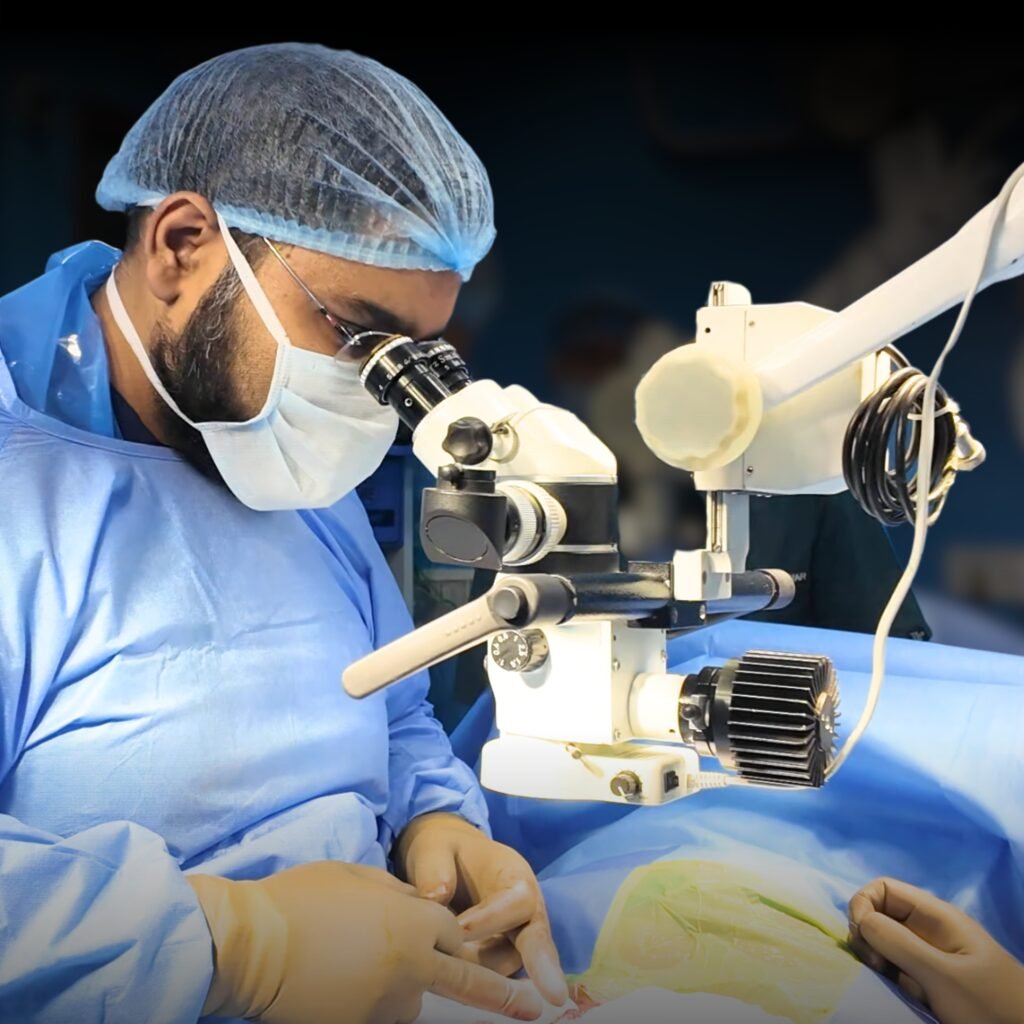
Dr. Vijayant Govinda Gupta is a urologist–andrologist in Delhi with a focused practice in male infertility and microsurgery. He combines precise, microscope-guided techniques with clear, compassionate counselling so couples understand the cause of infertility and the most effective, least invasive way forward.
His work spans the full spectrum of male fertility care—comprehensive evaluation, hormone and medical therapy, and advanced procedures such as microsurgical varicocelectomy, vasoepididymostomy (VE), transurethral resection of the ejaculatory duct (TURED), and sperm-retrieval techniques (PESA/MESA/TESE, including micro-TESE). He collaborates closely with IVF/ICSI teams and embryology labs to optimize outcomes, with options for sperm cryopreservation when appropriate.
Care philosophy
- Explain every diagnosis and choice in plain language
- Prioritize minimally invasive, evidence-based treatment
- Respect privacy and provide supportive, stigma-free care
- Create stepwise plans that balance success rates, cost, and recovery time
Testimonials
MALE INFERTILITY : Happy Patients
Read what our patients say about compassionate counselling, precise microsurgery, and transparent follow-up. These are genuine experiences from people who started where you are today and moved forward with confidence.